Editor's Note: This article originally appeared in the September 2025 print edition of Lawn & Landscape under the headline “Back to school.”

As labor continues to be every landscape company’s biggest challenge, and many long-time employees are aging and nearing retirement, businesses are forced to find their next generation of workers.
Those workers can be found in classrooms this fall as students in horticulture programs not only at the college level, but in high schools around the country as well.
By building relationships with these programs, companies can find engaged future workers and can also help spread the awareness about the green industry and its benefits to entice generations to come.
Changing demographics
With the labor shortage, some might assume horticulture programs are declining — but that’s not necessarily the case everywhere.
“From targeted community outreach and on-campus engagement to well-designed program websites, institutions that have implemented intentional enrollment strategies are experiencing notable growth,” says Jenn Myers, the senior director of workforce development for the National Association of Landscape Professionals. “In 2024, one program welcomed its largest freshman class in 15 years, while another reported a more than 200% increase in enrollment over the past five years.”
Not only are the populations of some increasing rapidly, but there’s also been a notable change in the student demographics lately.
“We’re a steadily growing program, in terms of headcount, in a time where all college programs, not just horticulture, are experiencing decline. Our program has grown by 35% since 2018,” says Lori Zatroch, the plant science and landscape technology program director for Cuyahoga Community College in Cleveland, Ohio.
“When I first started in this role, the majority of our enrollment in this program were white males from more of our rural counties...For the most part, they were already working in the industry or had a family member in the industry. In the last three to five years, we’ve seen a real shift in our demographics. Now, we’re predominately female and two-thirds of our enrollment is female.”
Myers says there’s been a nationally increasing number of women enrolling in collegiate horticulture and landscape programs, with some programs now over 70% female.
“At NALP’s National Collegiate Landscape Competition, not only do we have more females in attendance, but we are also seeing increasing numbers of females excelling in competitions, with two of the top three students in 2025 being women,” she says.
“We are also seeing shifts with our NALP Foundation Scholarship Program; in 2025, 64% of our scholarship applicants were female.”
Zatroch and Jim Funai, professor at Cuyahoga Community College, note that it’s not just students fresh out of high school that they’re teaching these days. More often than not, it’s someone who has been out in the workforce already and is desperate for a career change. “There’s a lot of people who’ve never worked in the industry but want to work outside. We’ve really tried our best to change our curriculum to meet our students where they are so they can grow in this industry,” Zatroch says.
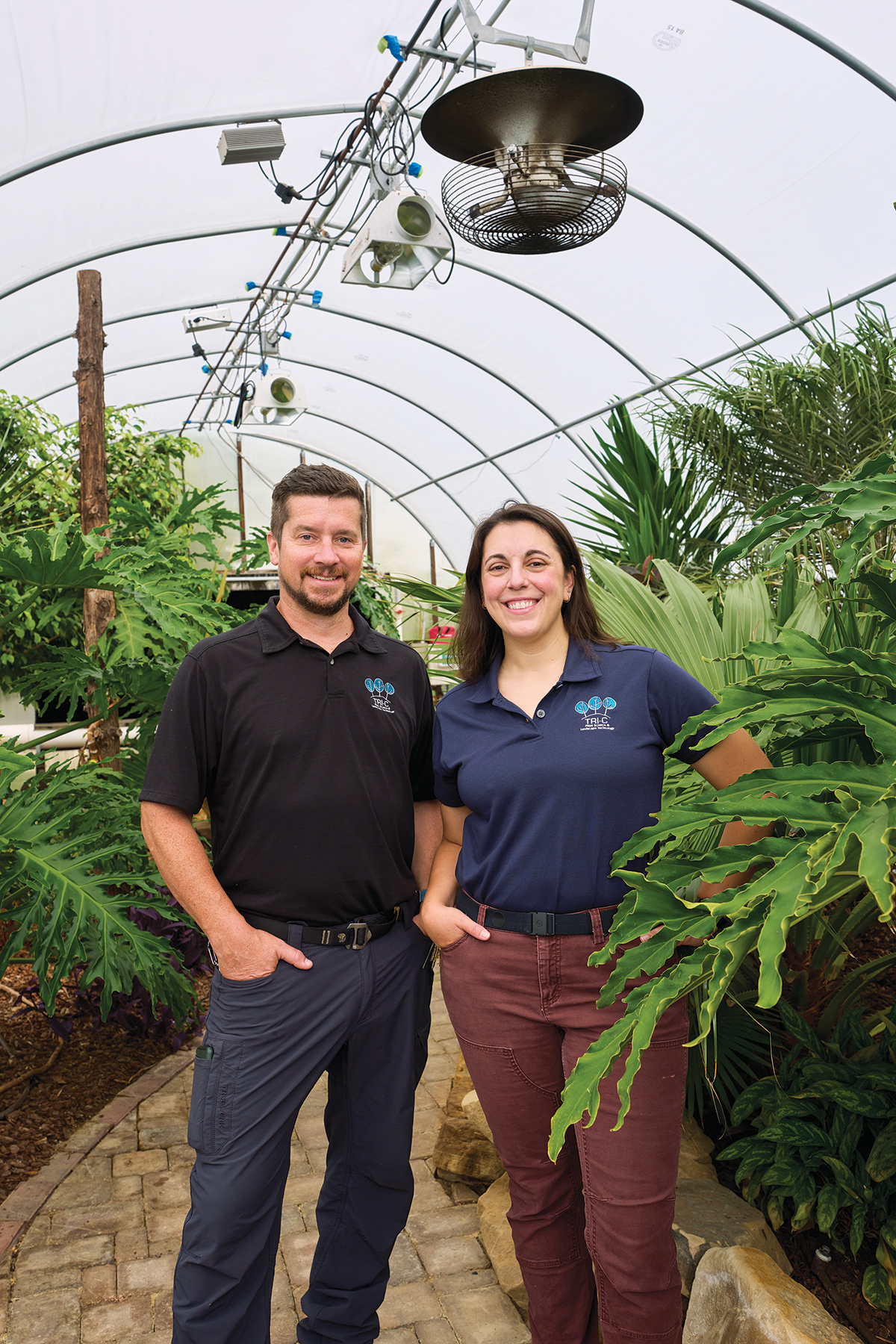
That’s exactly what has brought Josiah Hull to the program and to the green industry. Hull graduated from Kent State University in 2015 with a bachelor’s degree in photography and spent years working in the commercial food photography industry.
Needing a change and wanting to make an impact on the environment, Hull quit his job and went back to school.
“I felt like I needed a change, because my career was just not aligning with me,” he says. “I heard fantastic things about Tri-C. I couldn’t ask for a better program. The faculty there is absolutely incredible… I’ve gotten more time, attention and focus from faculty than I ever did during my four-year bachelor’s program.”
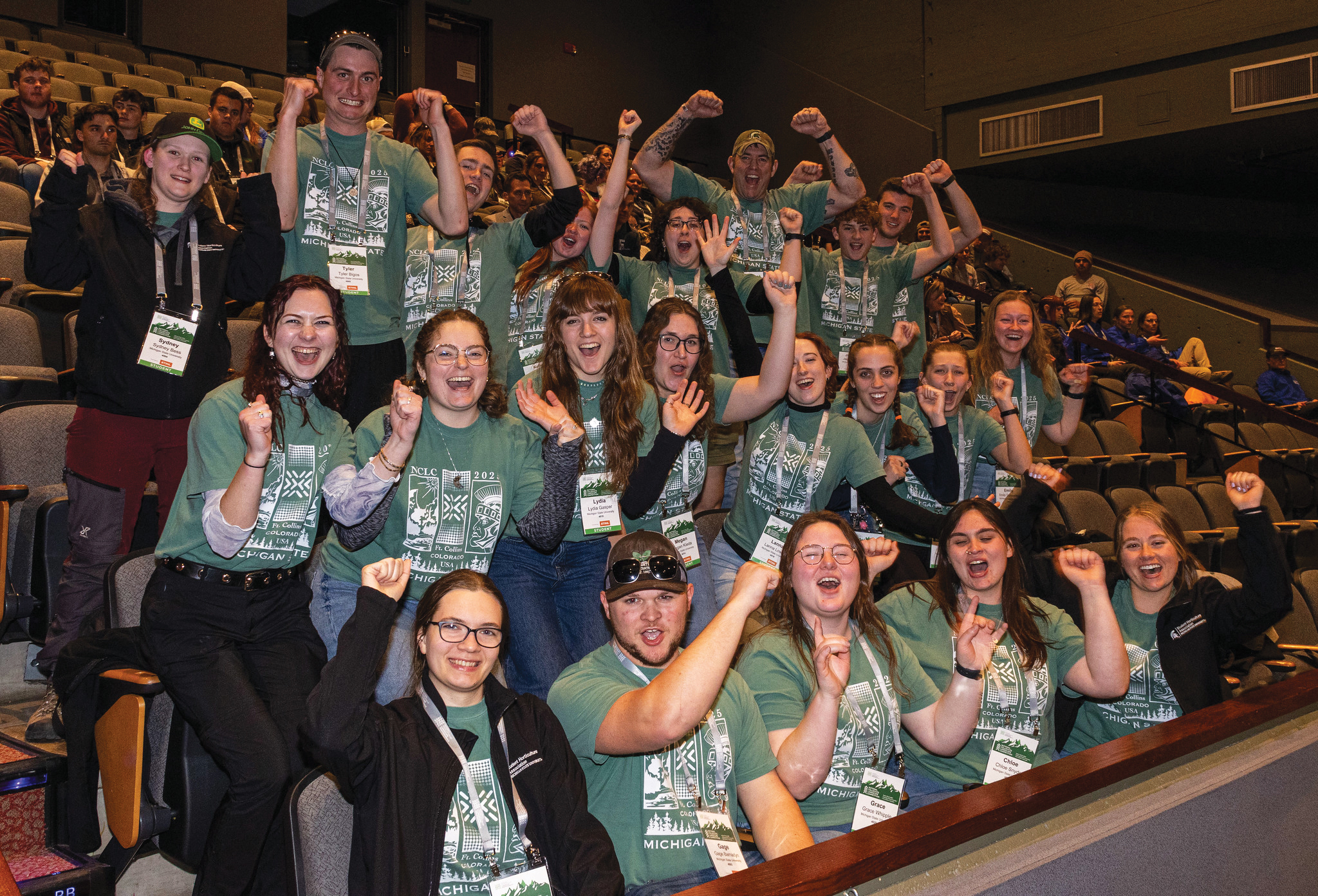
Tri-C isn’t the only school experiencing a shift in its student demographics — the same thing is playing out at Michigan State University, according to Marcus Duck, an academic specialist for the school’s department of horticulture.
“We get traditional students straight out of high school, but we get a lot of transfer students who’ve already gotten another degree or tried out another profession, and they just have this pull to plants and that’s what gets them to us,” he says.
For his part, Duck notes enrollment has been down a little bit in recent years.
“Overall, it’s a little less than it was when I started,” he says of enrollment. “The demographic has definitely changed though…When I started, we had landscape students galore. It’s changed over the years to where we have less students interested in landscape and more interested in fruit, vegetable and the organic food production of things.
“The fact that landscape interest has gone down is shocking because those of us in the know, know there are way more opportunities in the industry than ever to be successful,” Duck adds.
That’s where recruitment comes into play — something Duck, Zatroch and Funai all say is a constant effort.
“There is no magic bullet in terms of recruitment,” Zatroch says. “You have to have an open mind about who can be a part of this program and who can be a part of this industry. We’re accepting anyone who is interested in a way.”
Duck adds it’s all about finding those diamonds in the rough — students with a love of plants and the great outdoors who might not know what a career in the green industry can flourish into.
“The students I’ve seen that are the most successful have that passion and that love of plants,” he says. “The biggest hurdle I’ve seen with recruitment over the years is that you can’t force that. It’s about trying to find the students with that spark and maybe don’t know it.
“The ones that know it are easy — they come find us. But we’re looking for those who enjoy plants and love plants but haven’t made the connection that they can have a successful career out of it yet.”
Trained and in touch
For Funai, that’s why it’s so important for horticulture programs to stay engaged with the industry. So, they can bring companies the next generation of standout employees.
“We work tirelessly in our program to stay connected to the industry and work with them, so we are hyper aware of exactly what they need out of a graduate and out of their workforce,” he says. “It can impact a graduates’ potential if they are not as interwoven into the industry on a day-to-day basis.”
Duck, too, says MSU’s program is constantly evolving to keep up with the industry’s demand.
“Over the 23 years I’ve been in this position, the programs appear relatively the same, but we’re constantly updating course content with industry trends… The fundamentals are there — the students need to learn their plants, bugs and soils — but we’re staying in touch with current things that are going on,” he says.
Funai and Zatroch say the best thing about getting a degree in horticulture before entering the industry is having that background knowledge and experience that years in the field can give you.
“Lori coined the phrase, ‘We give you the best trainee you’ll ever have,’” Funai says. “You’re still going to have to train them and get them to know your specific culture and skillset — but they will come in with a whole package of skills that you don’t just learn on your own. It’s not just about a bunch of book knowledge.
“One of the biggest things we focus on is getting them to a point where they can solve problems in the context of the industry,” he adds. “We only get them for two years and X amount of hours. So, we can’t teach them everything and every skill. They’ll get an introduction into everything, but we really focus on the ability to solve problems and work as a team.”
Zatroch adds its beneficial for students to have the time to succeed — and fail — without any consequences or fear of being fired.
“I always joke that the best thing we do is give students two years to make mistakes and figure themselves out,” she says. “They are able to do that in a really safe space. That’s especially important for students new to this industry. They’re in a classroom and if they mess something up, it’s not affecting the bottom line.”

Build relationships
That’s why Corey Peterson, a branch manager with Pacific Landscape Management, says the company partners with and sits on committees with many local schools to find well-trained, eager new employees.
“We’ve got great relationships with schools in our state and outside of the state as well,” he says. “We’re pretty active in recruiting and just supporting our local colleges — especially our community colleges here in the Portland area. We’re very connected with them.
“It provides us an opportunity to be in front of students,” he adds. “Being on those advisory committees helps us educate those programs on what to focus on and where the industry is going. Ultimately, we want to help students prepare to come into organizations like ours. It’s mutually beneficial.”

Peterson, a veteran himself of Pacific’s internship program, says it also helps students get ready for a green industry career.
“We’ve got a really good internship program we’ve developed over the years. It’s changed. It used to be more production focused, where an intern would spend most of their summer on various crews and things like that, but that has evolved over time to more in-line with what a college student would come into our organization as on the account manager side of things,” he says. “It’s very symbiotic in the sense that they’re learning a ton on what an account manager does through the eyes of an account manager — which is a potential career opportunity for them.”
Working with horticulture programs has worked out well for Pacific, Peterson says.
“It’s one of our primary ways to get someone in the organization early enough that we can train and develop them in the way we see the world and what we think they need to do and be,” he says.

“A lot of our organization, especially on the leadership side, got a degree in horticulture or something similar. Being knowledgeable is important to our organization. It doesn’t have to come out of college, but a lot of the time, it does.”
Bland Landscaping is another business bettering their workforce by partnering with local universities and high schools.
Kurt Bland, the company’s president, says that while it’s somewhat for selfish reasons, it ultimately benefits all those involved.
“The motivation behind them is somewhat self-serving and at the same time giving back,” he says. “A lot of us, myself included, have studied horticulture by choice and have a passion for wanting to connect with young people who are studying the field.
“The self-serving part is we need a workforce, and with birth rates declining and populations aging and all of the challenges with finding dependable workers to begin with — now more than ever, these things are so important in being able to attract and develop the kind of workforce we need.”
When it comes to working with high schools, Bland suggests businesses be determined in setting up those partnerships. He says they aren’t as easy to obtain as ones with local colleges.
“To begin with, we have to be the one to reach out and really, really work to build those relationships,” he says. “One thing I’ve learned with high school teachers in particular, is their classrooms are so chaotic and they’ve got so many other things to worry about — to get their attention, you have to be persistent. You have to follow up with them.
“A lot of the high school educators are also really happy to have someone come in and speak as a member of an industry,” Bland adds. “It makes it relevant for their students. We help out with a couple of alternative high schools in the area where they have students on vocational type tracks. We make them aware that landscaping is an option.”
Between the internships, apprenticeships, workshops and other outreach companies like Pacific Landscape Management and Bland Landscaping are doing, Bland says he hopes it lights a fire in the youth participating.
“As current leaders enter retirement, and it’s really not that different than the generation before us, every time that happens, it creates opportunities for advancement for the people moving up in the industry,” Bland says. “One of our biggest initiatives overall is building and developing a pool of talent, because more opportunities will be out there as long as we have the talent to put in those positions where we need.”
Peterson says the next generation will also bring their own skills and interests into the industry.
“I’m super optimistic based on the team members that we’ve got on board over the last few years,” he says. “The programs continue to turn out great students. Also, this is a great industry, long-term. I think it’s a stable industry where, in a future of not being sure where AI will take over, I think we can safely say our industry will be different but it’s not going away. There’s lots of work to do out there.”
Funai echoes this statement about the industry’s stability — making it a safe space for students to enter and grow.
PLM photos courtesy of Pacific Landscape Management
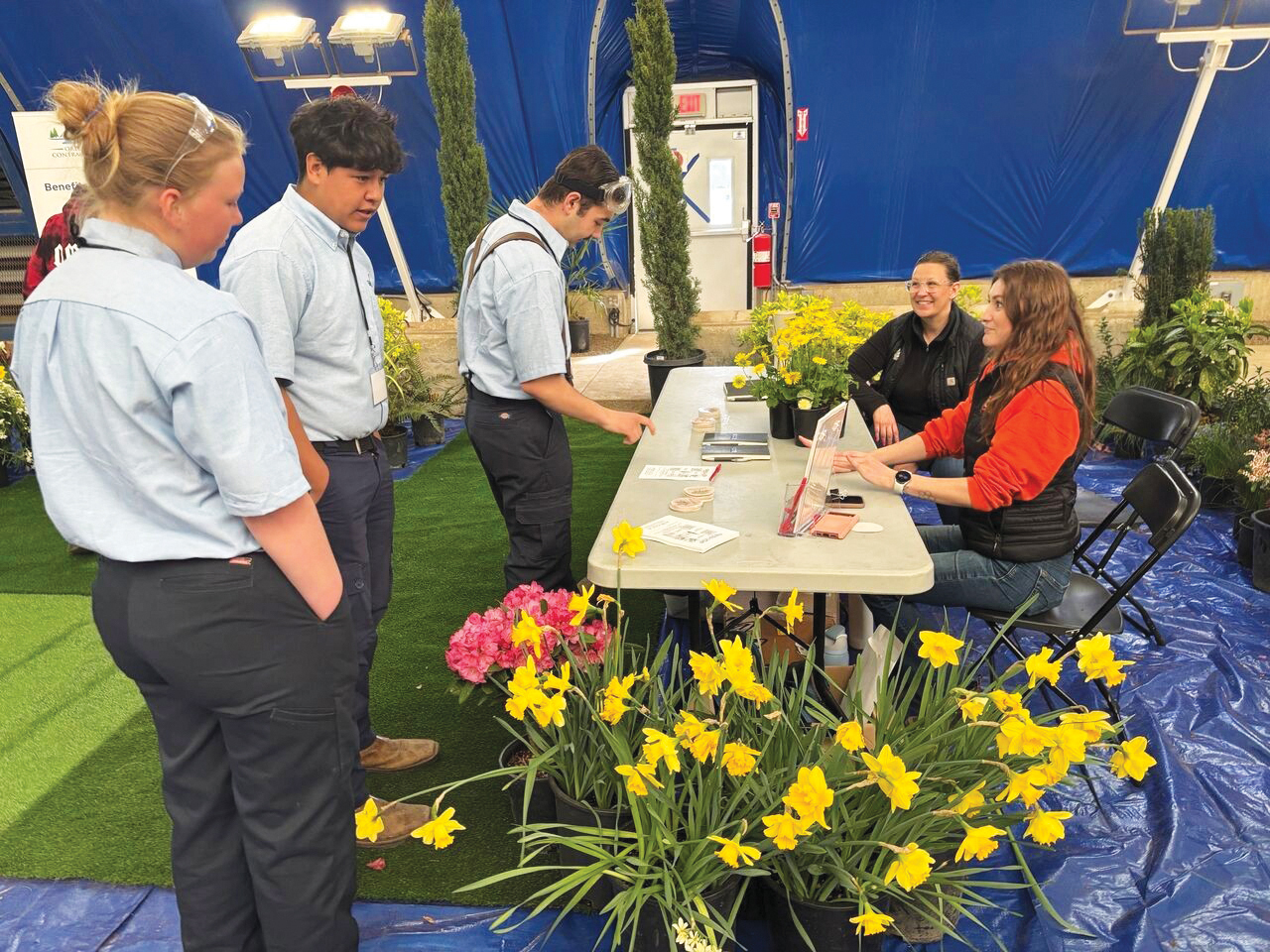
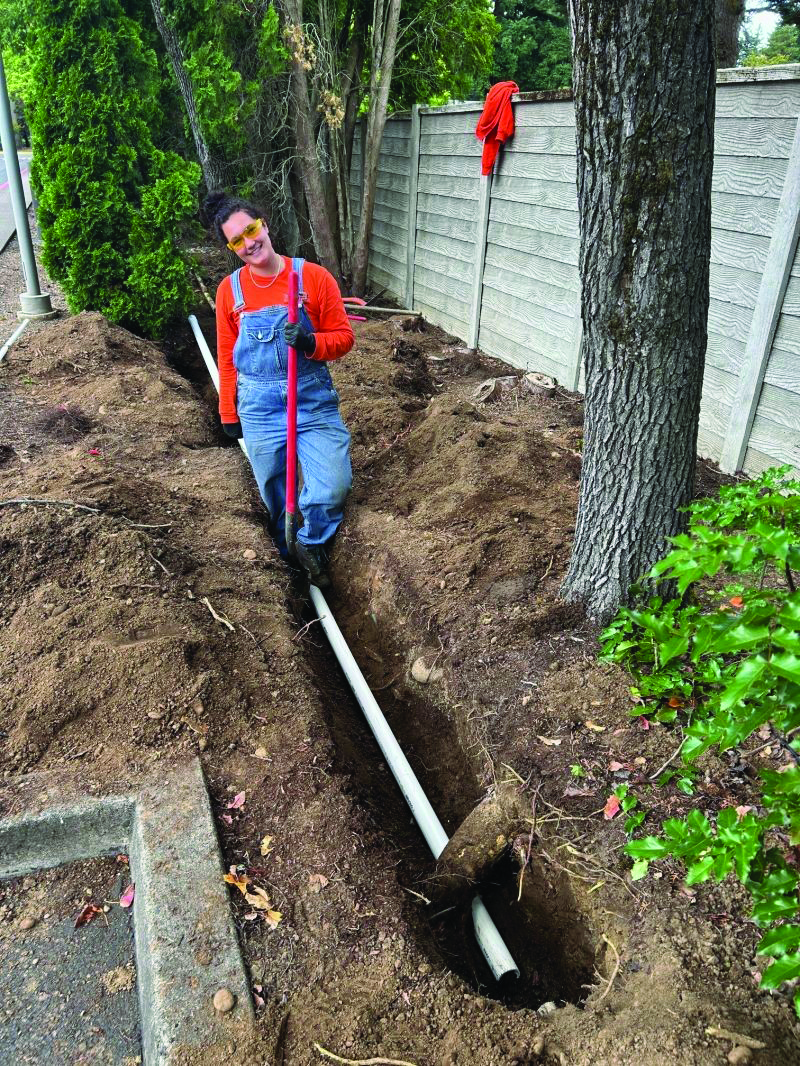
“The future of the green industry is great,” Funai says. “It’s not an industry that goes away or gets shipped overseas or gets dominated by technology replacing everyone. It’s still a heavily service-based industry, so that human contact is crucial. As much as things change in our world, we’re going to need well-trained and well-adapted humans, no matter what.”
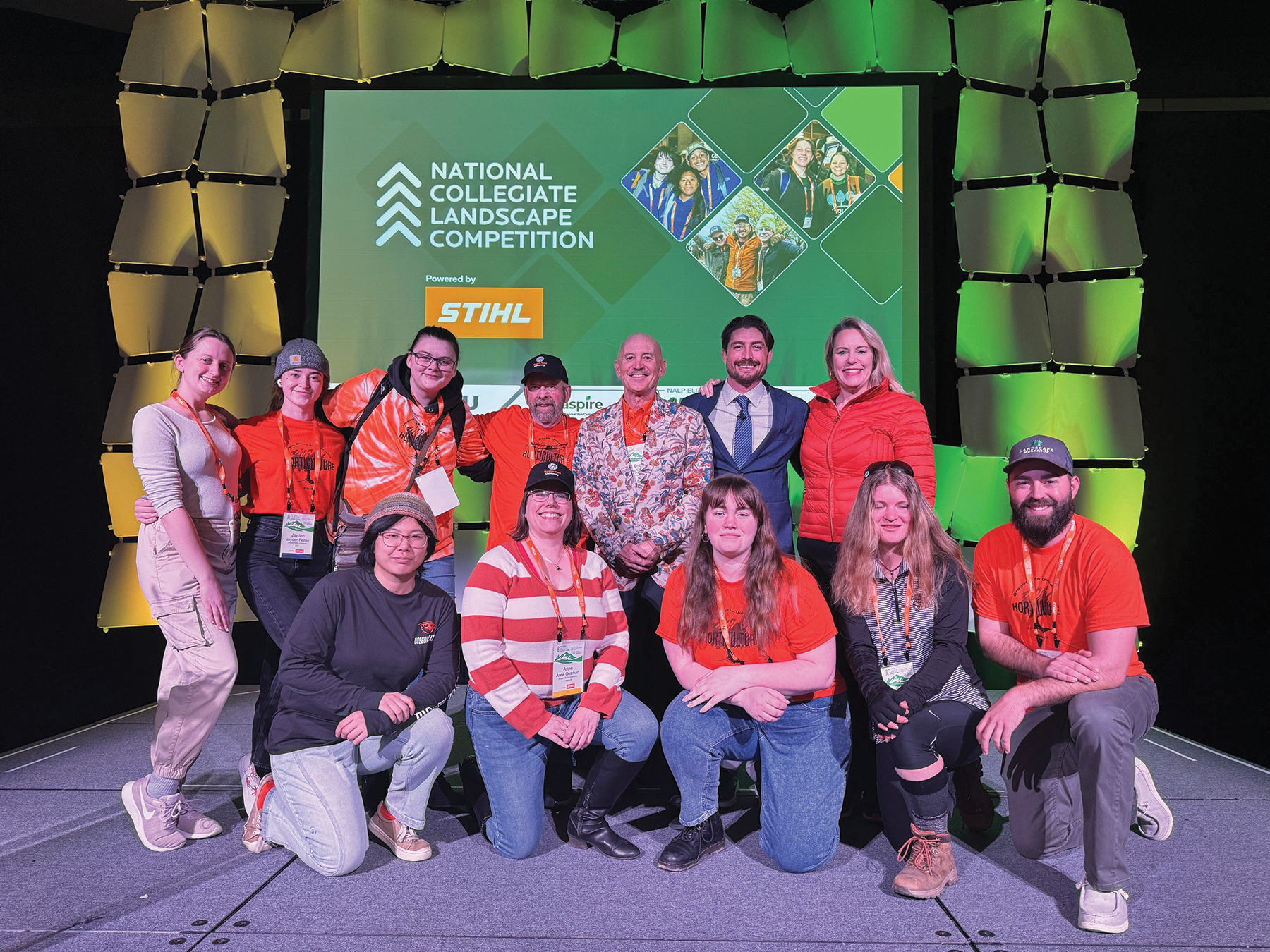
Both Pacific and Bland Landscaping support NCLC.
“We also host practice sessions for North Carolina universities and colleges competing in NALP’s national competition,” Bland says. “We do this in collaboration with our state associations.”
Over 800 students from more than 60 schools compete in the competition each year.
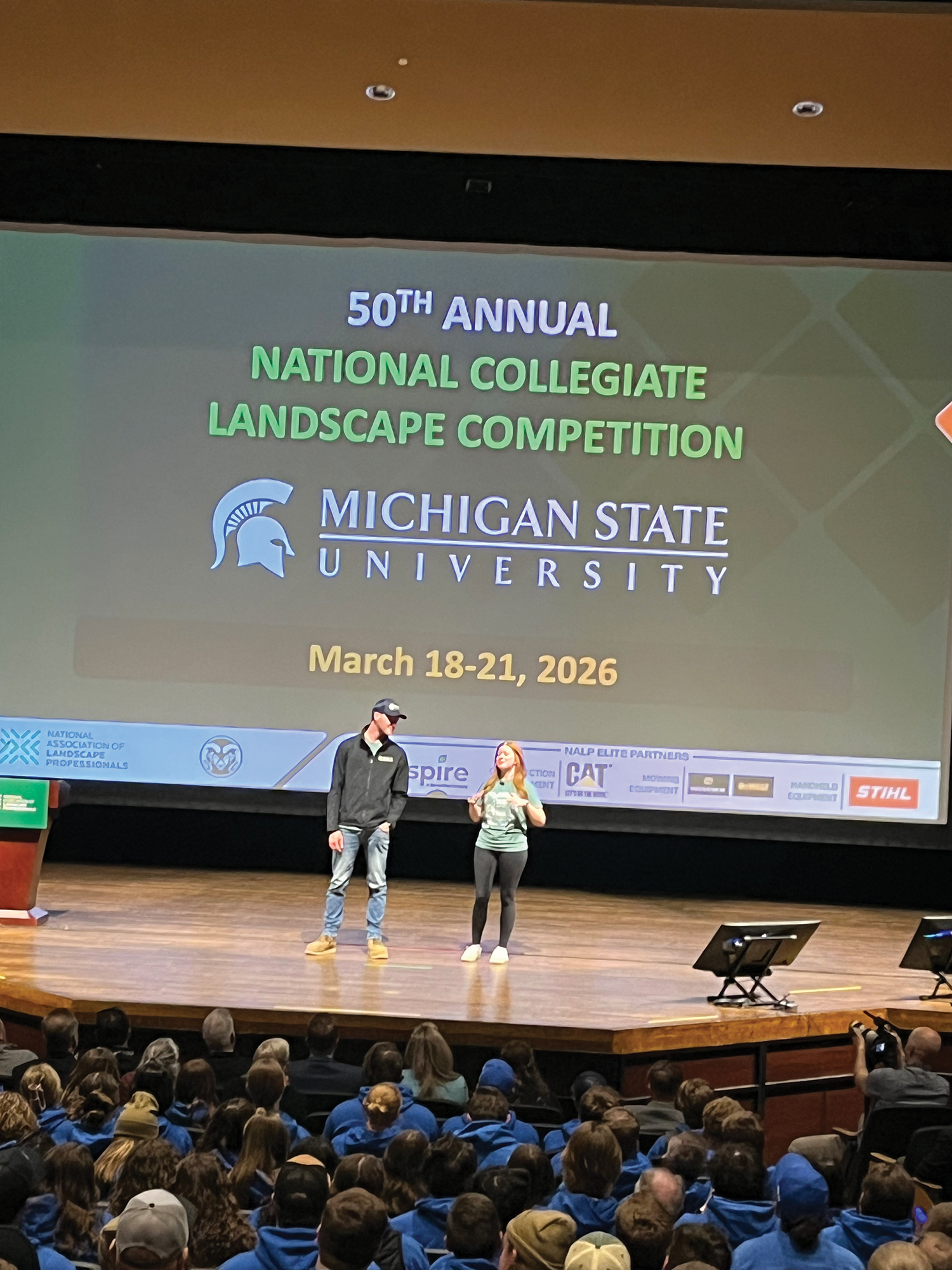
Duck, whose school will be hosting in 2026, says the competition is another benefit for those pursuing horticulture degrees.
“One of the biggest things is that networking and getting our students connected to the industry,” he says of NCLC, which boasts a career fair filled with companies seeking fresh, young talent.
Early exposure

Today, young people can get a real, hands-on experience in the green industry even before they go to college as more high school-level horticulture programs are sprouting up. That makes it easier when landscaping companies are figuring out how to recruit and retain employees.
“Historically, the landscape industry has often found itself on the defensive, working to counter misconceptions about career paths,” Myers says. “Today, we are reshaping that narrative. We are demonstrating to young people and their parents that this is an industry of opportunity — one that allows individuals to make a visible impact in their communities, care for the environment and build rewarding careers with competitive wages and strong pathways for advancement.”
Benjamin Ringling, a horticulture technology instructor with Southeast Technical College, in Sioux Falls, South Dakota, says his school utilizes the summer offseason to teach high schoolers all about a career in the green industry.
“In between first year and second year our students have internships, so campus is pretty dead,” he explains. “We saw an opportunity to have a summer academy where some high school kids, at least 17 years old, who are kind of interested in the field and want to gauge if this is something they want as a career. It’s a good way to introduce them to what we’ve got going on (in the industry).”
Ringling says each of the students in the program is set up with an industry sponsor who acts as a mentor for the student throughout the summer.
“It’s a win for us because we get students in the seats in the summertime and it’s a win for the students because they get dual credits and they get that experience working in the field — plus the sponsor gets somebody young and interested that they can hopefully find an employee who works there for numerous summers,” Ringling says.
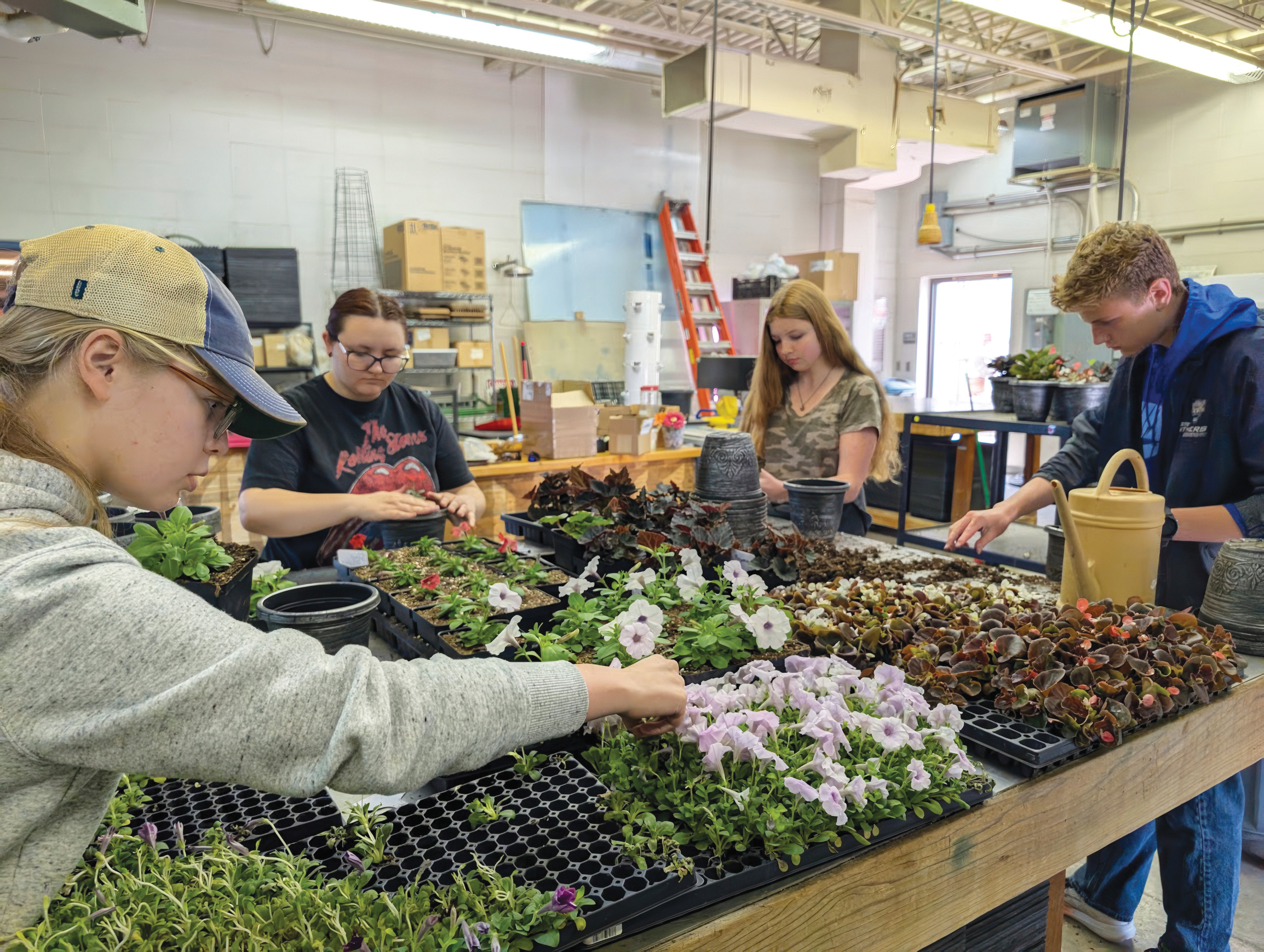


In addition to their studies, participating students work a few flexible hours for their sponsors’ company.
“Our industry sponsors are our advisory members and the people we go to for anything we need here at Southeast Tech,” he says. “It’s a great way to forge some relationships that hopefully last for a long time.”
Ideally, Ringling says he hopes the summer students spend in his program is only the beginning of their journey.
“Most students go and complete their final year of high school, and we hope they’ve fallen in love with the program and then they can get their degree here,” he says.
“It’s great if they stay working with that sponsor because then they have a few years of working with the same company and can get their foot in the door there.”
In Virginia, Dr. Drew Miller is directing the turfgrass management program at Brentsville District High School, a program that is giving boundless opportunities to the hundreds of students that participate.
“We’re approaching the 10-year mark which is crazy,” Miller says. “It’s been incredible. I love what I do — I love working with the kids and having an impact on their lives and being able to guide them toward the same passion I have for this industry. That’s what keeps me going.”
In the specialty program, freshmen to senior students take one turfgrass class in their seven-block schedule as an elective.
“Our class is very much based in work-based learning,” Miller says. “We do performance-based evaluations and learning so a lot of the grading happens in the field. This can be constructing a landscape or painting a football field — all of these things are done in class while working with other students.
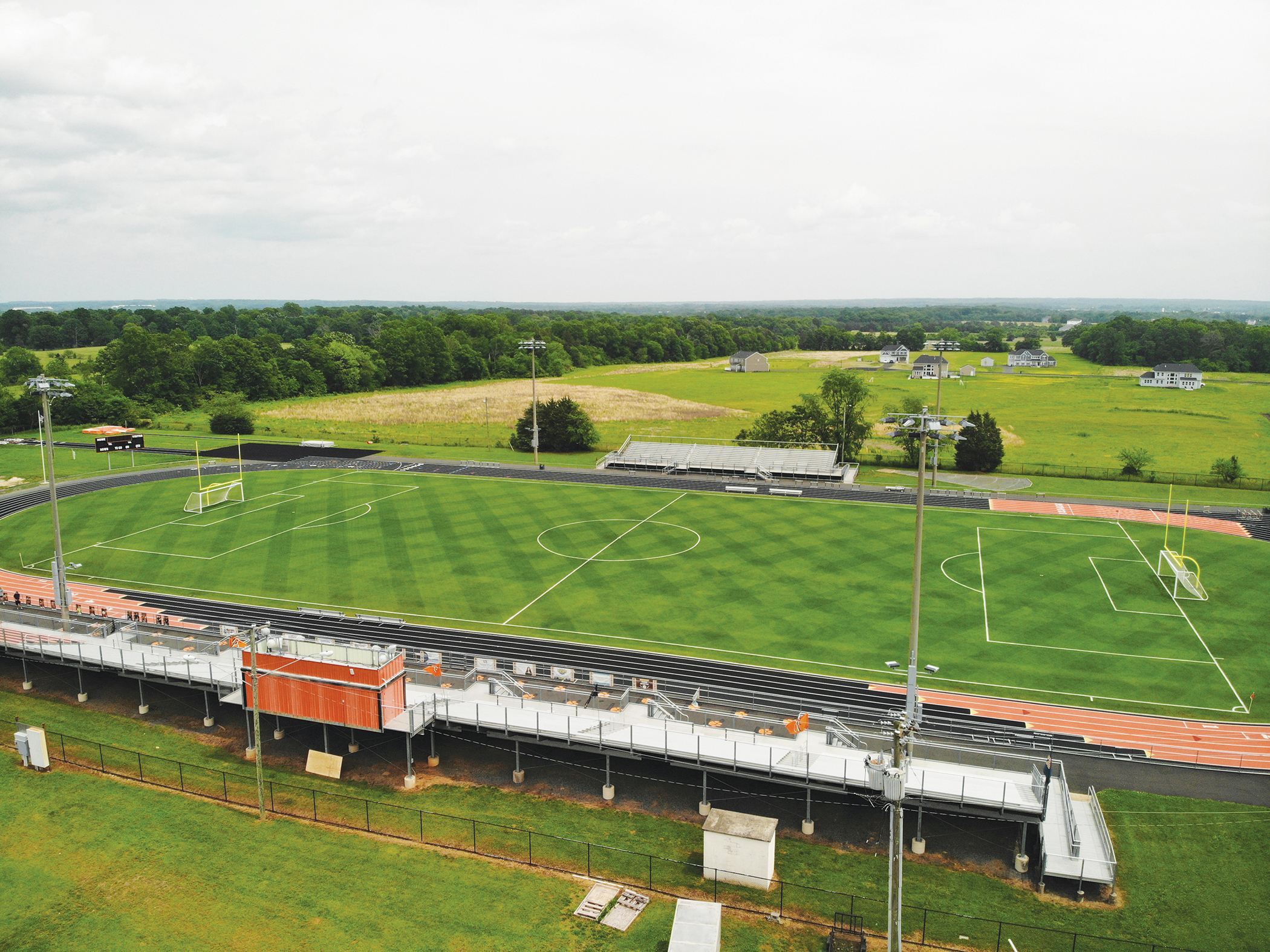
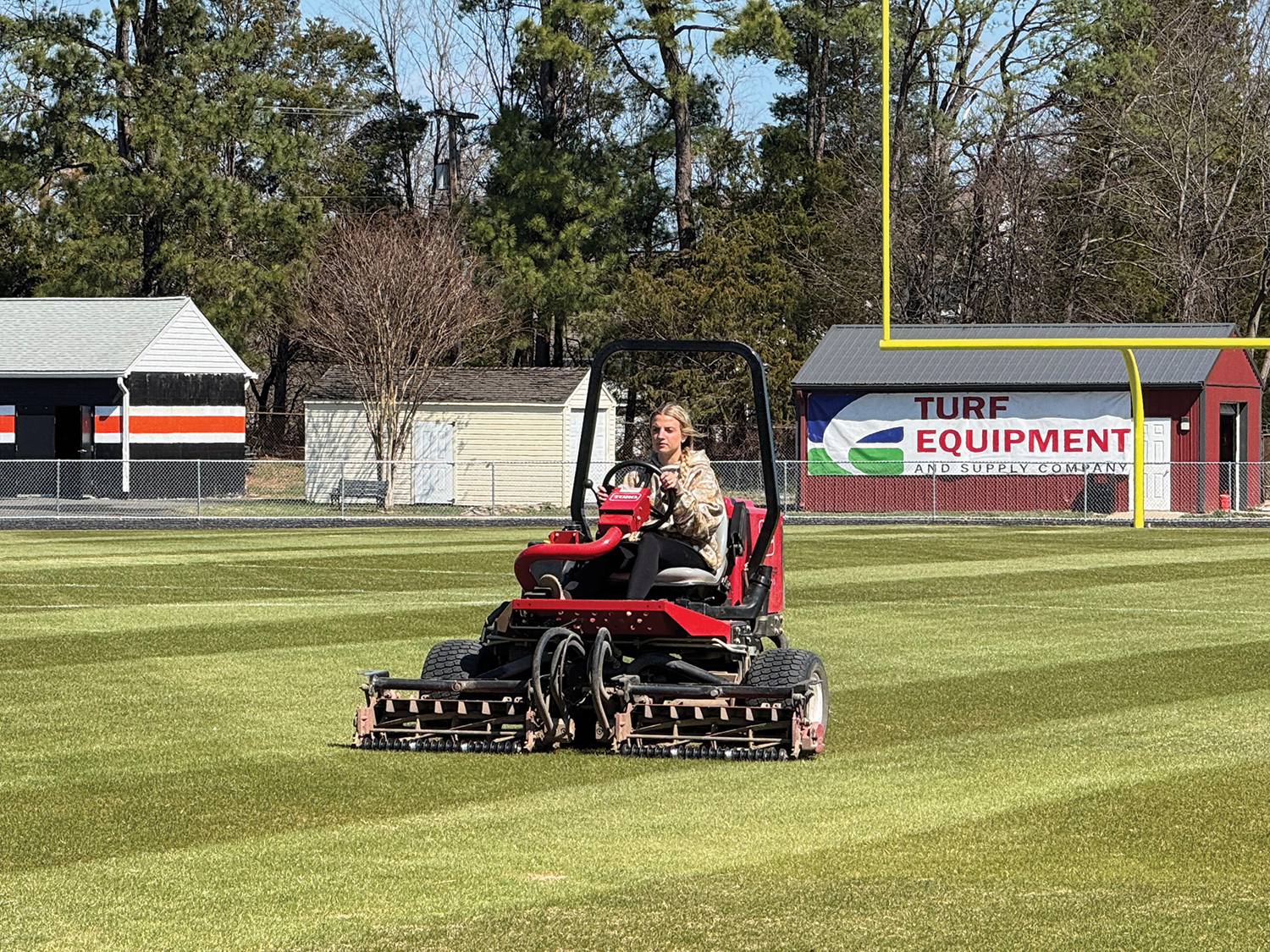

“We emulate a workplace the best we can,” he adds. “It’s always been my goal to try and keep the classwork in the classroom. Very rarely do my students have homework, and if they do, it’s probably their fault because they didn’t do it in class.
“I’m never there to hinder their education — I’m always there to promote their education.”
Miller also noticed a change in his student demographics at the high school level.
“About 4% of the industry’s workforce is female and I’ve had five female students go on into the industry,” he says. “For females to be leaders in this industry is an opportunity like no other.”
Miller says in addition to teaching them the basics when it comes to landscaping, he’s shaping them to be well-adapted workers, regardless of their final career path.
“I’m teaching these kids what it takes to be a professional,” he says, “not only with their skillset, but as a human being. I want them to be the best versions of themselves in the workplace, at home and everywhere else.”
Still, Miller admits he hopes they enter the green industry and blossom.
“I think it’s my mission to elevate and bring awareness to what our industry is,” he adds. “I want to promote it to the point that we see growth and we can see a better future for these kids we’re bringing into the industry.”
Explore the September 2025 Issue
Check out more from this issue and find your next story to read.
Latest from Lawn & Landscape
- Hittle Landscaping acquires Wesley's Landscape & Lawncare
- Aquatrols Company's Precip Acres
- JCB debuts 250T compact track loader, 25Z mini excavator at ARA Show
- Agri-Fab's weed eliminator
- New Holland Construction expands D-Series range with 5 new diesel mini excavators
- WAC Lighting founder earns Long Island Business News Icon Award
- Riverview Landscapes acquires Unisource Commercial Landscape in Massachusetts
- Blue Diamond Attachments debuts HDX Rock Grapple Bucket