absent84 | Adobe Stock
Editor's Note: This article originally appeared in the January 2026 print edition of Lawn & Landscape under the headline “Evaluating your business.”

Co-founder, Harvest the Green Partners
An owner and two key partners set up a phantom stock plan when their business was worth $1 million. Each partner had $200,000 of coverage to fund the buy-sell if someone died. It made sense at the time, and the cost was low because everyone was young and healthy.
Eight years later, the company is now worth $9 to 11 million.
The insurance? Still $200,000.
If a partner died today, the company could owe over $2 million to the spouse. Even if paid over time, that cash still must come from the business, pulling money away from growth, acquisitions, equipment and the strategic investments that build the company in the first place.
No one planned for this. And it’s not unusual. Owners assume the documents “are done” and move on to the next challenge. But as the business changes, the agreements and insurance behind them become disconnected from reality. In some cases, they can create a financial strain large enough to stall the business right when it’s gaining momentum.
All of this could have been prevented by reviewing the valuation and then updating the buy-sell agreement and related insurance once a year.
After closing out 2025, many of the owners I work with finally get a little breathing room — time to step back from the day-to-day urgency and look at the long-term health of the business. One of the simple and most overlooked ways to do that is to understand what your business is worth today.
A current valuation helps you understand whether your investment is generating a competitive return, whether your long-term agreements still make sense and whether your key employee plans match the company you have now and not the smaller one you had years ago.
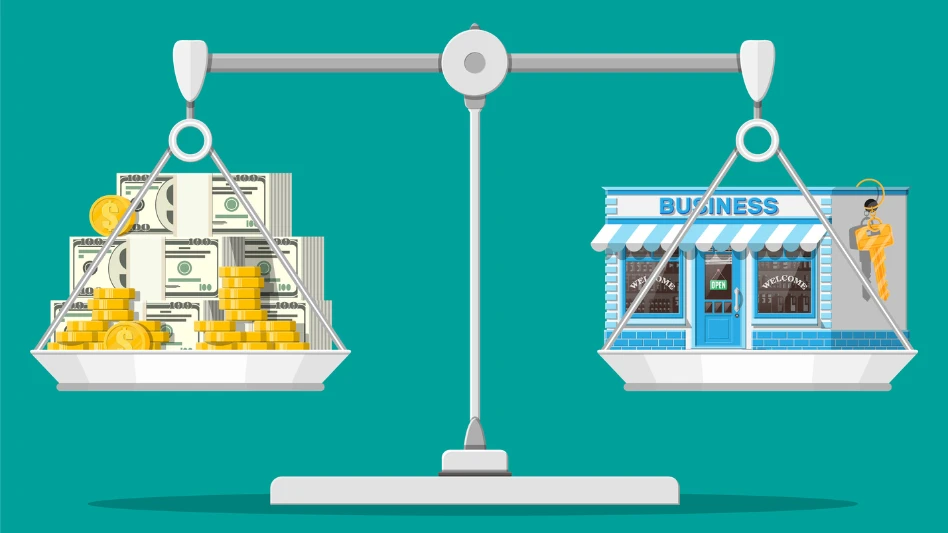
Your business is an investment — treat it like one
When you look at your business as part of your overall wealth, a valuation becomes more than a number. It helps you answer real financial questions:
• What is my business worth today — and what could it be worth?
• What specific levers increase value, and what do they cost?
• Is each dollar I reinvest in the business earning a competitive return, compared with other places I could put that capital?
You may be willing to sacrifice short-term returns to build something meaningful. But it’s important to know whether the long-term return is worth it.
Where owners get caught off guard
In the early years, most owners are focused on survival. You are gaining clients, managing cash flow, hiring employees and building basic systems. Often a trusted number two emerges, and the owner puts a phantom stock or long-term incentive plan in place, along with a buy-sell agreement. These plans keep your key people aligned with you and gives them peace of mind.
The mistake comes later. Once the documents are signed, no one looks at them again for years.
I see this all the time. A company puts these plans in place at $2 million in revenue and grows to $10 million or more. The business is far more valuable — but the agreements still reflect the early version of the company. The valuation, the terms and the insurance coverage all lag far behind the reality of the current business.
A real example why an annual valuation matters
A current valuation doesn’t just prepare you for selling your business. It protects the business with stronger decision-making today. For example:
- It shows whether your re-investment is producing a better return than you could get elsewhere.
- It highlights the parts of the business creating the most value — and those holding you back.
- It helps you evaluate acquisitions, debt decisions, equipment purchases and expansion plans.
- It keeps all ownership and incentive agreements rooted in real numbers, not outdated assumptions.
Most importantly, it protects both you and your key people from unintended consequences that could drain the company of cash at the wrong time. For many landscape owners, their business is the biggest asset they will ever own. It deserves the same attention and updating you give to other investments.
A current valuation isn’t just a number. It protects you from outdated agreements, keeps your key employee plans aligned with the value you’ve built and helps you make smarter decisions about where to invest next. It ensures you’re managing your business like the major asset it is and not leaving your future to chance.

Explore the January 2026 Issue
Check out more from this issue and find your next story to read.
Latest from Lawn & Landscape
- Develon unveils -9 Series heavy excavators
- News you might've missed last week
- Lifescape Colorado's Hupf moves to regional role as Ostheimer becomes president
- Your most reliable predictor of success
- LandCare names McCallon, Miller as branch managers
- Takeuchi-US names Paul Wade, Eric Wenzel as dealer development managers
- CASE continues partnership with country artist Jon Pardi
- Greenlee debuts new battery-powered remote pruner





