Editor's Note: This article originally appeared in the June 2025 print edition of Lawn & Landscape under the headline “When, why and how to sell your landscape business.”

Photo courtesy of Green Industry Advisors
Making the decision to sell your landscape business is not something that should be taken lightly. While the potential financial gain can be a significant factor, it is crucial to dig deeper and understand your true motivations for wanting to transition ownership. Reflecting on what drives you to make this decision will help you ensure that selling is the right choice for you and your business.
It is important to carefully consider all your options and think about the implications of selling your landscape company. While it may be tempting to jump at the first offer that comes along, it is crucial to take your time and explore all potential opportunities. It is worth noting that many private equity-controlled companies in our industry often have highly skilled and aggressive mergers & acquisitions teams who are constantly on the lookout for potential acquisitions. These teams may reach out to you with tempting offers, hoping to persuade you to sell your business.
While many of these “strategic buyers” may indeed be reputable and worth considering, it is important to be cautious about limiting your options to just one or two potential buyers. By doing so, you may inadvertently reduce the value that you could potentially receive for your company. It is always wise to explore a range of options and conduct thorough due diligence before making any decisions about selling to ensure that you are maximizing the value of your business.
The ideal number of prospective buyers for your business, based on its size and market, is generally between five to 10. This usually leads to a more competitive environment, ultimately elevating your valuation and providing the seller with greater influence over the terms of the agreement.
Your business holds significant value to many potential buyers beyond just its Earnings Before Interest, Taxes, Depreciation and Amortization (EBITDA.) Potential buyers will look at various aspects of your company such as its brand reputation, customer base, intellectual property, future growth potential and industry position. These factors can greatly impact the overall value of the business and attract a wider range of interested buyers.
Additionally, the strength of the management team, operational efficiency and overall market conditions can also influence the attractiveness of the business to potential buyers.
It is important for business owners to highlight these key points when marketing their business for sale in order to maximize its value and appeal to a larger pool of interested parties.
A robust company culture, coupled with a well-developed team and strong client loyalty, instills confidence in potential buyers regarding the stability of future performance.
Consistent growth in contract-related revenue alongside stable or improving gross margins will also instill confidence in potential buyers as they assess your valuation multiple.
Ultimately, showcasing the full value of the business beyond just its financials can help secure a higher sale price and ensure a successful transition for both the seller and the buyer.
Selling your landscape business does not have to mark the end of your involvement in its operations. Many business owners choose to stay on board post-sale, remaining actively involved in decision-making and day-to-day functions. This can be beneficial for ensuring a smooth transition and allowing you to leverage your expertise and experience for the continued success of the business. Additionally, some owners may opt to retain a portion of equity in the business, known as “rolled equity,” in order to benefit financially from any future growth in the acquiring companies’ valuation.
When a seller agrees to reinvest part of the sale price into equity, prospective buyers often feel more assured about the ongoing leadership of the company and the seller’s commitment to enhancing both the business and their own equity stake. Incorporating rolled equity generally leads to a higher valuation as well. However, there are potential downsides: By rolling over equity, sellers may lose some control over the future value of their stake since this will rely on the financial performance of other business operations, which could lead to a decrease in the worth of that rolled equity. Additionally, this type of investment is illiquid, meaning sellers might need to wait several years before they can access any proceeds.
Finding the right buyer is essential in ensuring that your visions for the future of the business align. By establishing clear terms and negotiating effectively, you can ensure a seamless transition of ownership and secure the continued prosperity of your business under new leadership.
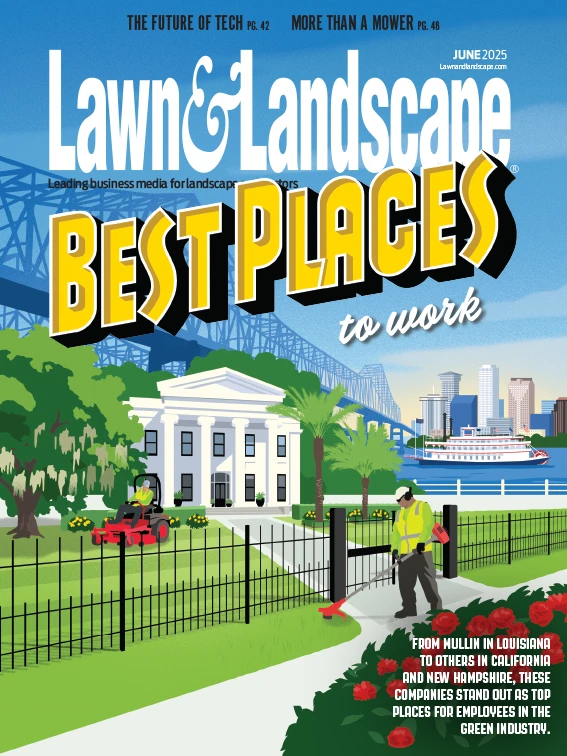
Explore the June 2025 Issue
Check out more from this issue and find your next story to read.
Latest from Lawn & Landscape
- Stay Green acquires JH O'Brien in California
- Loftness names McComas as chief operating officer
- Wilson360 names Anderson as featured speaker for Thought Leaders Retreat 2026
- Kubota introduces SVL110-3 compact track loader
- Hittle Landscaping acquires Wesley's Landscape & Lawncare
- Aquatrols Company's Precip Acres
- JCB debuts 250T compact track loader, 25Z mini excavator at ARA Show
- Agri-Fab's weed eliminator