Jimmy Miller | Lawn & Landscape
The 2025 Lawn & Landscape Business Builders Summit is underway in Nashville! Here's what we're hearing during each of the sessions from our panelists.
Different ways to grow
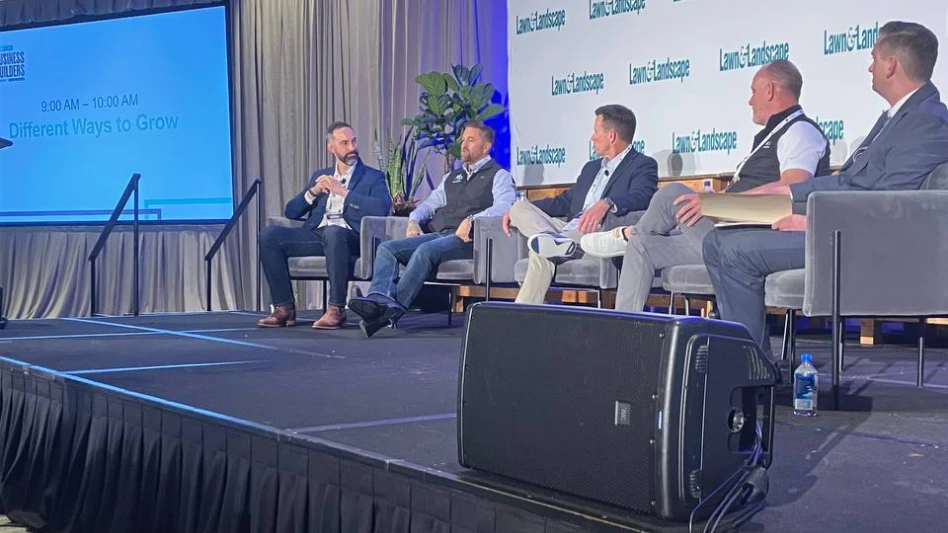
The first panel of the day featured owners who've built their companies in different ways — some have grown via private equity cash infusion and others bolstered their bottom line through organic growth only.
Meanwhile, Austin Ashmore is an industry outsider. Now the CEO at Sunrise Landscape in Florida, Ashmore grew up in a family construction business but spent a majority of his career in finance. In 2019, he and other investors acquired Sunrise, making him an executive at a landscaping company for the first time.
Ashmore says he quickly learned that there's a healthy tension of people who are born-and-bred landscapers and folks from outside the industry. He says while there's some great tried-and-true practices from the industry, the industry also has others who poke holes in some practices by offering their outsider's perspectives.
One of his other major industry takeaways? The industry is incredibly collaborative — and they're all learning on the fly.
"The reality is, if we're being completely honest, it's, 'Here's the playbook, good luck,'" Ashmore jokes. "I think we all recognize the execution in this industry is really difficult."
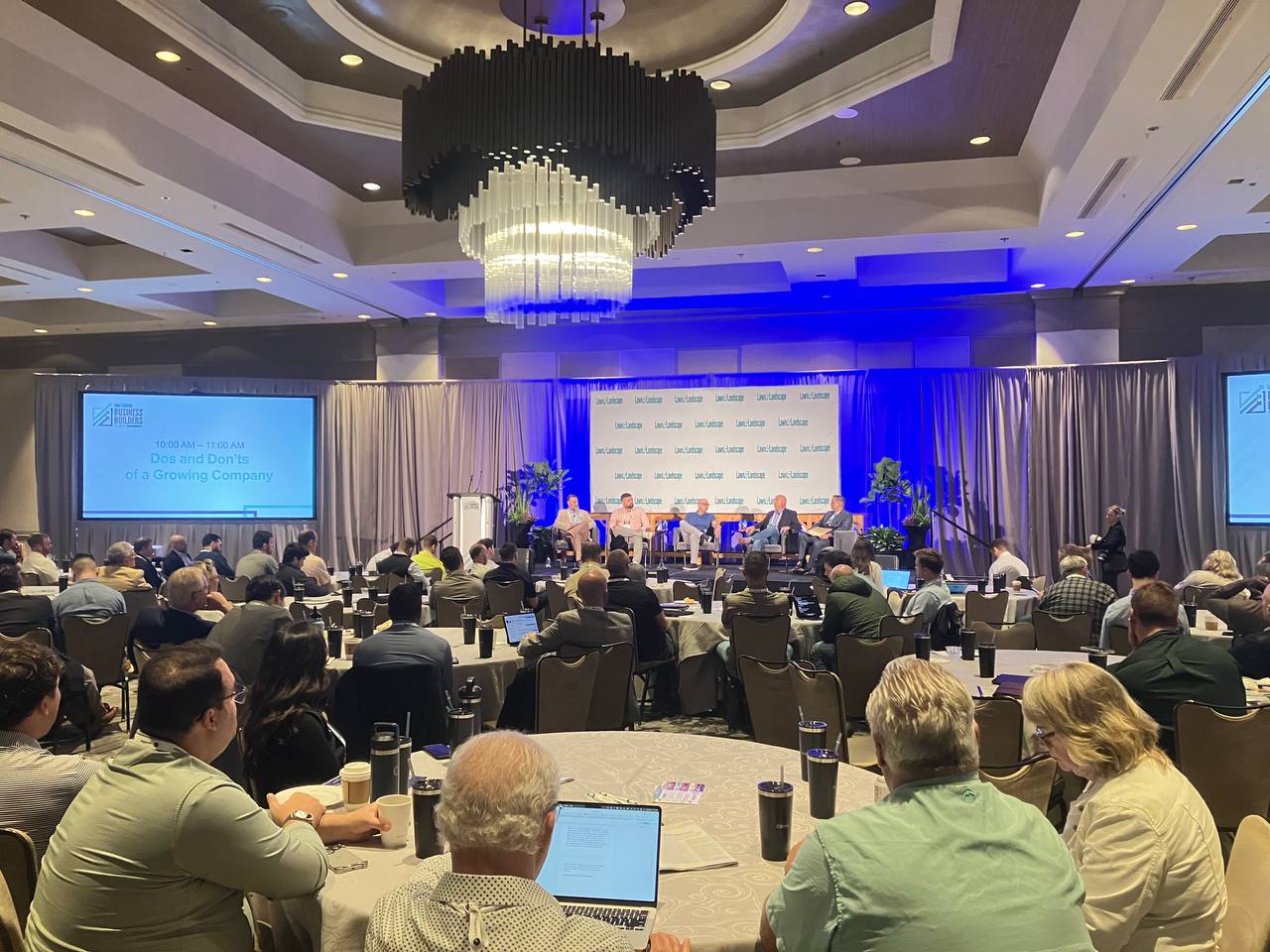
Panelists John Puryear, Niwar Nasim, Mark Tomko and Bruce Moore Jr. told attendees some of the dos and don'ts of building a strong business.
Dos and don'ts of a growing company
Bruce Moore Jr. has a problem saying no.
Outside of work, he's a board member for several nonprofit charities, a Little League baseball coach and likes to sneak in a round of golf when he can. That's not to mention he runs Eastern Land Management, a company that his father started in 1976.
Still, one of his top pieces of advice to growing companies is specifically designed for owners who feel like they're working in their business — and not on it.
"Trying to find time to run a business is pretty difficult," Moore Jr. says. "It goes back to having a pretty great team and being able to delegate."
Moore Jr. says at one point, he was working six days a week and it ultimately wasn't helping his company grow. His work habits also proved unsustainable for himself personally. Now, he's freed himself up by entrusting his team with more work he used to take on himself.
"It wasn't getting me and the company anywhere," he says. "When we started to scale and bringing on team members, it created a better work-life balance."
A new level of accountability
Sometimes, growth requires adding new leadership roles at your company.
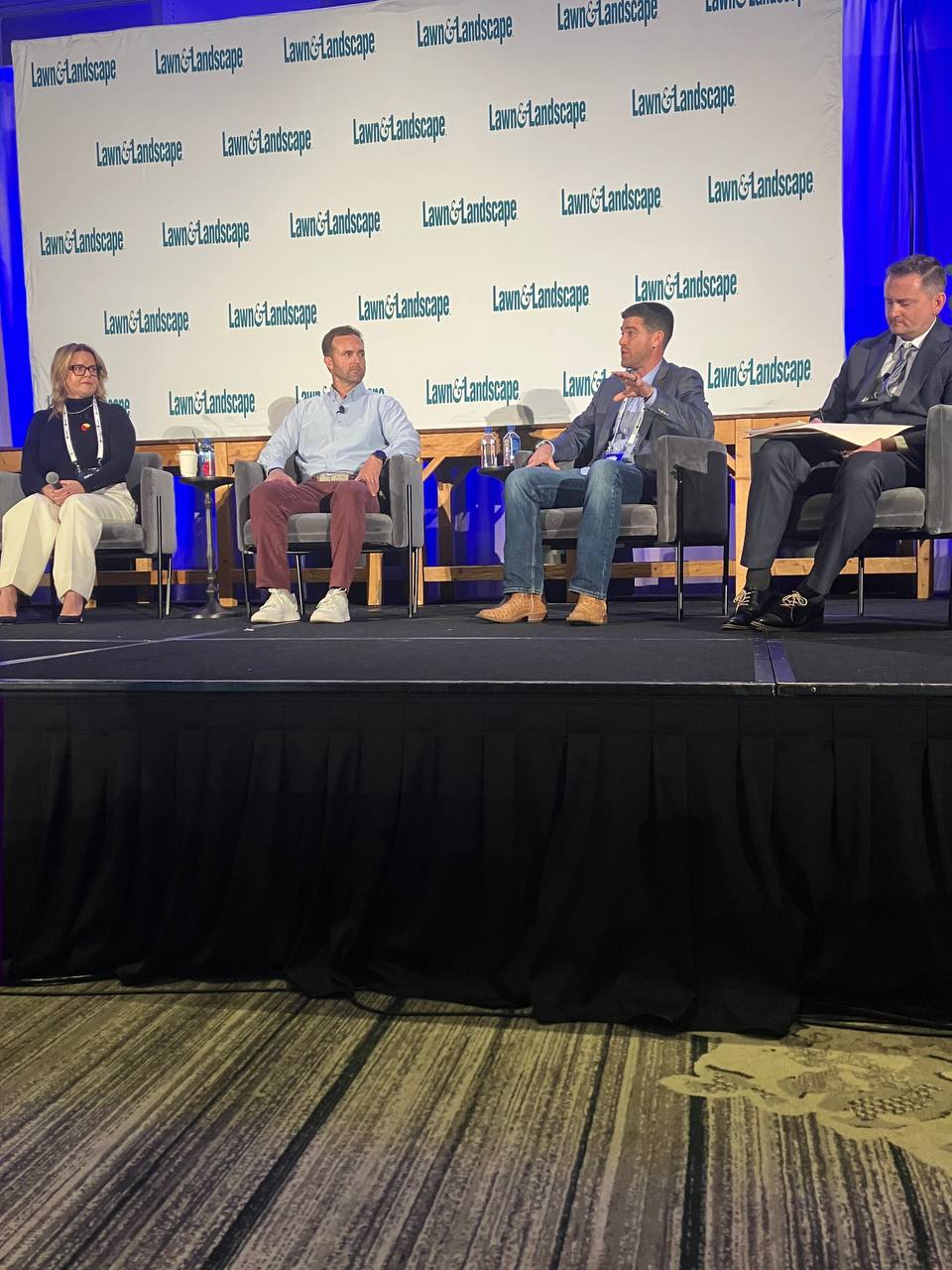
Jess Milligan, the president of Strathmore, jokes that she's the worst bookkeeper out there. Her specialties are in operations, and her brother, another top company leader, has a skillset focused on sales. So, right from the start of the business, she knew they needed to find someone who could manage the financials.
But as the company has blossomed, Milligan has had to identify when to delegate roles she's traditionally run or even enjoyed in the past. Recently, the company added a level of vice presidents, finding employees who have helped run companies larger than Strathmore.
"When we crossed the $50 million mark, we said, '$100 million is right around the corner, and we're running the biggest business we've ever run,'" Milligan says. "(You should) take a step back and go, 'Where can we get the best for the business?'"
The good, bad and everything in between on M&A
John Moehn says the M&A market is as robust as ever.
Moehn leads ExperiGreen, which was just acquired by Wind Point Partners after Huron Capital sold its majority stake in the company. A seasoned veteran in M&A action, Moehn admits growth through private equity isn't going to be for everyone. But he believes M&A is going to still sizzle for several more years. He points to how hot roll-ups grew in the pest control business as an example for what landscaping might and has become.
"Lawn care is sexy these days," Moehn says. "The industry is still extremely fragmented. There's a lot of owners trying to find ways to monetize what they built. Buckle up — we're going to be doing this for a bit."
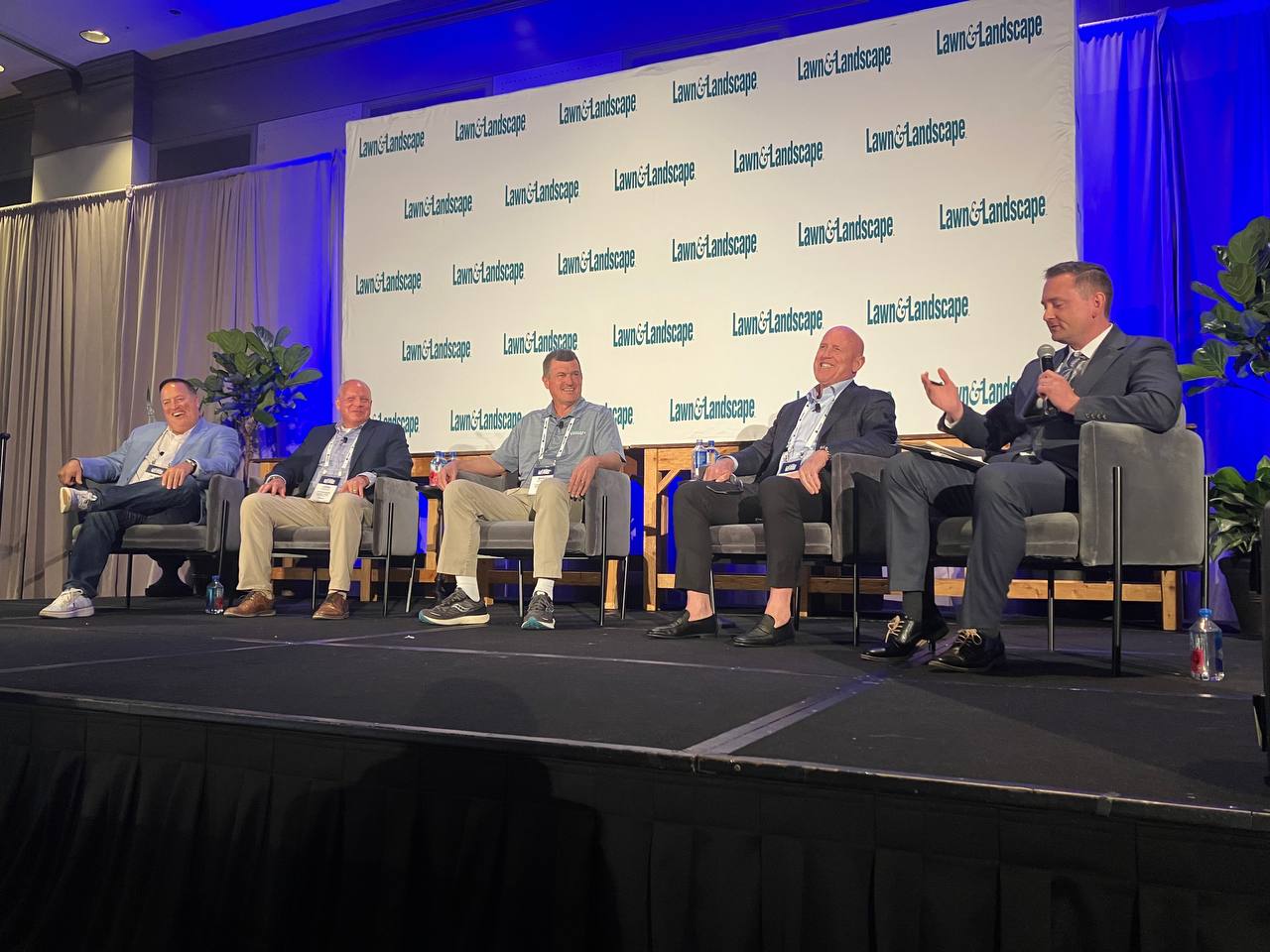
Alan Handley, the CEO of Visterra Landscape Group, which ranks No. 31 on Lawn & Landscape's latest Top 100 list, adds a word of caution — there will be winners and losers in the M&A world. Handley says his company hovers around $160 million in revenue now, and he hopes to grow it to $200 by the end of this year. Still, he says Visterra will be incredibly selective with the companies that become part of the platform next.
"The cream will come up to the top very quickly and the others will sink and get single multiples (on their deals)," Handley says. "You have to be perfect or just about near perfect. That's a tale of two cities that people tend to gloss over a little bit."
Want more coverage from Business Builders?
Don't worry — our full stories from the panels at our event will be on our website soon! Plus, you'll get even more business growth tips we heard in Nashville in a future issue of Lawn & Landscape magazine.