If you’re looking to build your business, hydroseeding could be a natural addition to your existing lineup. It’s a planting method that works for starting or renovating lawns, establishing large-scale commercial areas such as corporate parks and improving erosion control. For many LCOs, it’s worth investigating if you’re subcontracting these kinds of jobs out on a regular basis.
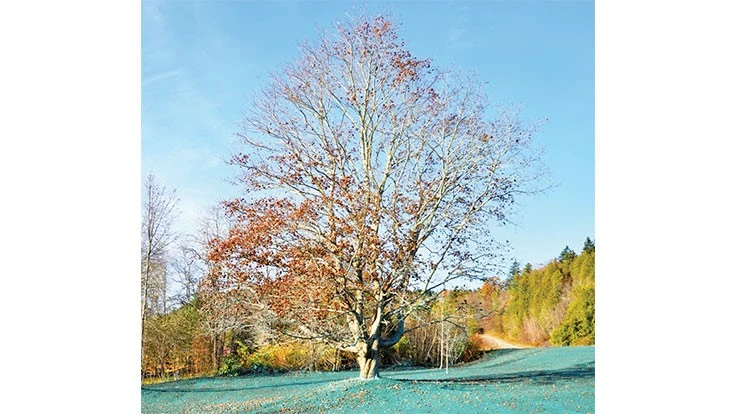
Hydroseeding uses a mixture of seed, mulch, starter fertilizer and a bonding agent called tackifier so the product doesn’t run off in rain. The ingredients are blended into a slurry and sprayed onto the ground. Lime and other additives, such as moisture retention agents, may also be added. The mixture usually contains a temporary green dye so it’s easier to see where you’ve sprayed.
Back in 1985, Greg Omasta, founder of Omasta Landscaping in western Massachusetts, purchased a hydroseeding machine. “It seemed like a way to grow the business,” Omasta says. “We were one of the first in the area to offer the services, and we spent the first whole summer hydroseeding large environmentally-impacted areas that had been disturbed by new mall construction.”
Today, the company hydroseeds anywhere from 10 to 150 acres a year, ranging from residences to solar farms. “It’s another one of those add-ons, like lawn aeration, you can offer to clients,” he says. At least a quarter to as many as half of his hydroseeding jobs turn into maintenance contracts. He also does a lot of subcontracting for other landscape companies.