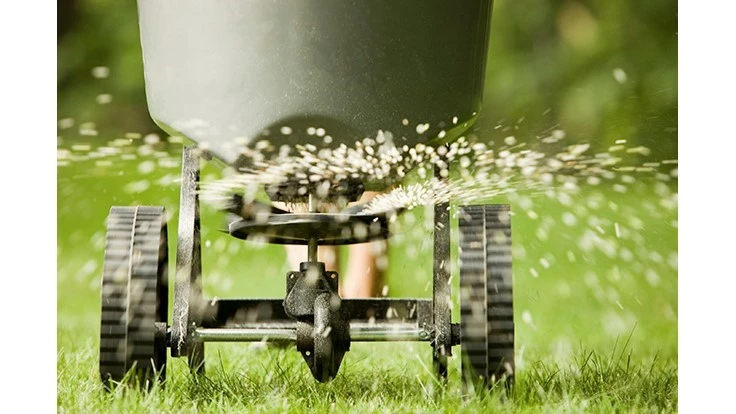
Benjamin Moretta, owner of Moretta Lawn & Landscape in Canton, Ohio, says he hasn’t had any notable application mistakes. If a mistake were to happen he would document what he did and why the error occurred. He would also repair the damage made by the application and cover all expenses associated with that.
“It just typically depends on the mistake. If I were to spray a product where it’s not needed and it may harm a landscape plant, I will always try to notify the customer and let them know of my mistake. It may not harm the plant at all, or it may lead to us replacing the plant,” says John Benefield, lawn care specialist at Green Leaf Nursery based in Glasgow, Kentucky.
A spill kit is kept on the truck at all times in case of a chemical spill.
“If we were to have a chemical spill, typically you’ve got to call a chemical agency and let them know of the spill, but we have like a spill kit system that we can kind of contain that spill and take care of it,” Benefield says.
As a best practice, he says it’s vital to keep track of every application made and details surrounding the application such as the date, why it was made, amount of product applied, type of product and more. This information may also be requested by a local inspector.
Latest from Lawn & Landscape
- Develon unveils -9 Series heavy excavators
- News you might've missed last week
- Lifescape Colorado's Hupf moves to regional role as Ostheimer becomes president
- Your most reliable predictor of success
- LandCare names McCallon, Miller as branch managers
- Takeuchi-US names Paul Wade, Eric Wenzel as dealer development managers
- CASE continues partnership with country artist Jon Pardi
- Greenlee debuts new battery-powered remote pruner





