 |
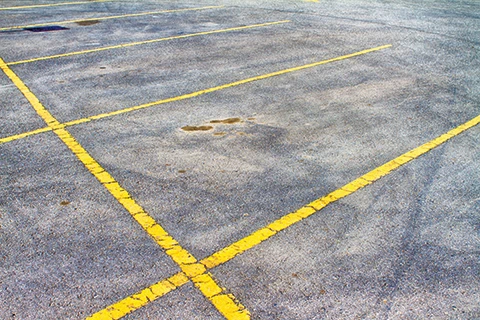
Dust is a common physical condition. Then the dust settles (pardon the pun), it collects on surfaces such as a parking lot. Over time, if not cleaned, this dust on the pavement surface collects in these parking lot depressions and provides a clear indicator of the drainage issues and ponding on the parking lot. Rain water collects in these depressions during the warmer weather and is no big deal. This is not the case during the winter months when any collected water can freeze causing icy conditions when the temperature drops, creating icy areas and slippery walkway conditions which may result in an injury.
Your snow removal operations may also contribute to the icy condition. Once the parking lot is plowed and salted, snow melt will collect in these low areas. This snow melt will refreeze when the ice melting agent you are using becomes dilute enough and is no longer effective. Like rainwater this snow melt will collect in theses depressions. If left untreated, when the temperature drops, it will refreeze creating icy areas and slippery walkway conditions which may result in an injury. Snow on top of any ice that forms will conceal the presence of any ice creating an unexpected slippery condition on the pavement. These are conditions that can cause a slip-and-fall injury which may result in a lawsuit.
In addition to any municipal ordinances dealing specifically with snow and ice, the municipality may also enforce some version to the International Property Code, which requires parking areas be maintained free of hazardous conditions. Ice on a foreseeable pedestrian walkway between cars in a parking lot, in line with a pedestrian sidewalk, as seen in this situation, is probably going to be covered. The dust is a clear indicator of where water ponds on the parking lot surface. This allows you to see where the problem areas are, even when the parking lot pavement it isn’t wet.
Here is another opportunity for the snow professional to manage their liability exposure to a potential slip and fall incident. Who is responsible for the condition? The maintenance of these parking lot surface de-pressions is typically the responsibility of the owner/property manager (O/PM) and outside the responsibil-ity of the snow removal professional. The surface conditions during the winter season will affect your lia-bility. Once the conditions are identified, you and the property manager can equitably allocate responsibility as part of the winter property maintenance contract and define a plan of action to maintain safe walk-way conditions during the winter months and to manage the potential risk should an injury and lawsuit occur.
Latest from Lawn & Landscape
- Develon unveils -9 Series heavy excavators
- News you might've missed last week
- Lifescape Colorado's Hupf moves to regional role as Ostheimer becomes president
- Your most reliable predictor of success
- LandCare names McCallon, Miller as branch managers
- Takeuchi-US names Paul Wade, Eric Wenzel as dealer development managers
- CASE continues partnership with country artist Jon Pardi
- Greenlee debuts new battery-powered remote pruner





