
Generating leads for landscaping projects isn’t hard. Generating the right leads for your ideal project type and closing them is far more difficult. Design/build contractors across the country struggle every day to avoid tire kickers and projects with unrealistic budgets. If this sounds like you, putting in the effort to develop and properly utilize project case studies can transform your business by reducing stress/frustration and improving your lead quality. When executed properly, project case studies will attract, prequalify, and nurture the right leads for your ideal projects.
What Are Project Case Studies?
A project case study is a deep dive into the details of a single project that you have completed. Project case studies are a type of content that should be housed on your company website in a Projects section. For companies in the landscape industry, the Projects page is often the most visited website page behind the home page.

How to Build a Project Case Study On Your Website
There are many aspects to constructing a successful project case study. Let’s take a look at the various parts:
Written Content: This should be a 600+ word write-up of the project details. Include topics such as the types of elements that you built, the materials/options used, the process of planning and execution, any issues faced, and where the project took place (include the town and neighborhood).
Qualifiers: Include the critical information to prequalify the reader. This includes price ranges and timelines as most important. When you provide this information, it allows your website to set expectations.
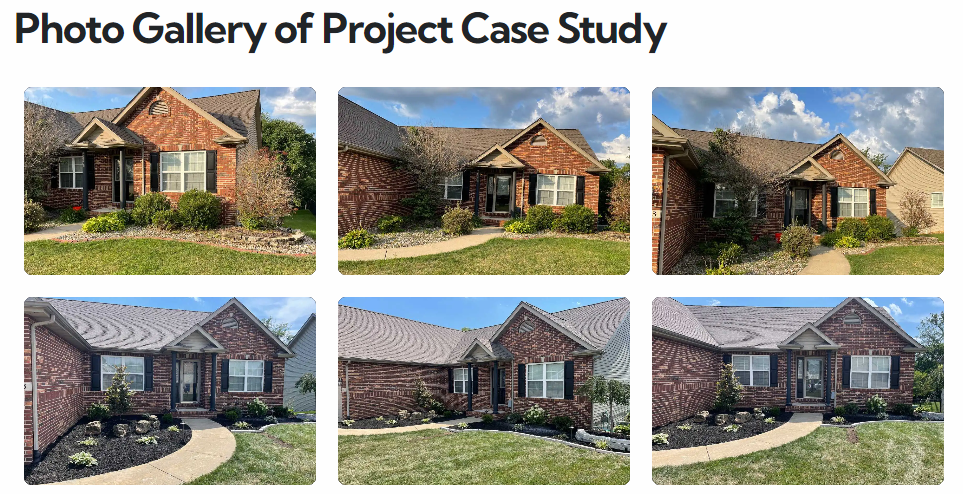
Photo Gallery: Every project case study should have lots of photos. Ideally, you should include before, during, and after photos. These should be done gallery style with the ability to blow the images up to full screen. You can also include the imagery throughout the written content to visually communicate with the reader. Don’t forget the human factor and include your team working in the photos!
Video: If you have the ability to include video, that’s the cherry on the top. Videos are so powerful. You can include things like drone flyovers, timelapses, or a video version of the written content. Videos should be embedded into the case study via YouTube and can also provide additional content for social media.
Customer Testimonial: Including the customer’s feedback on how the project went can be extremely valuable, especially on larger projects. Customer testimonials can be done with video, but can also be done with written content.

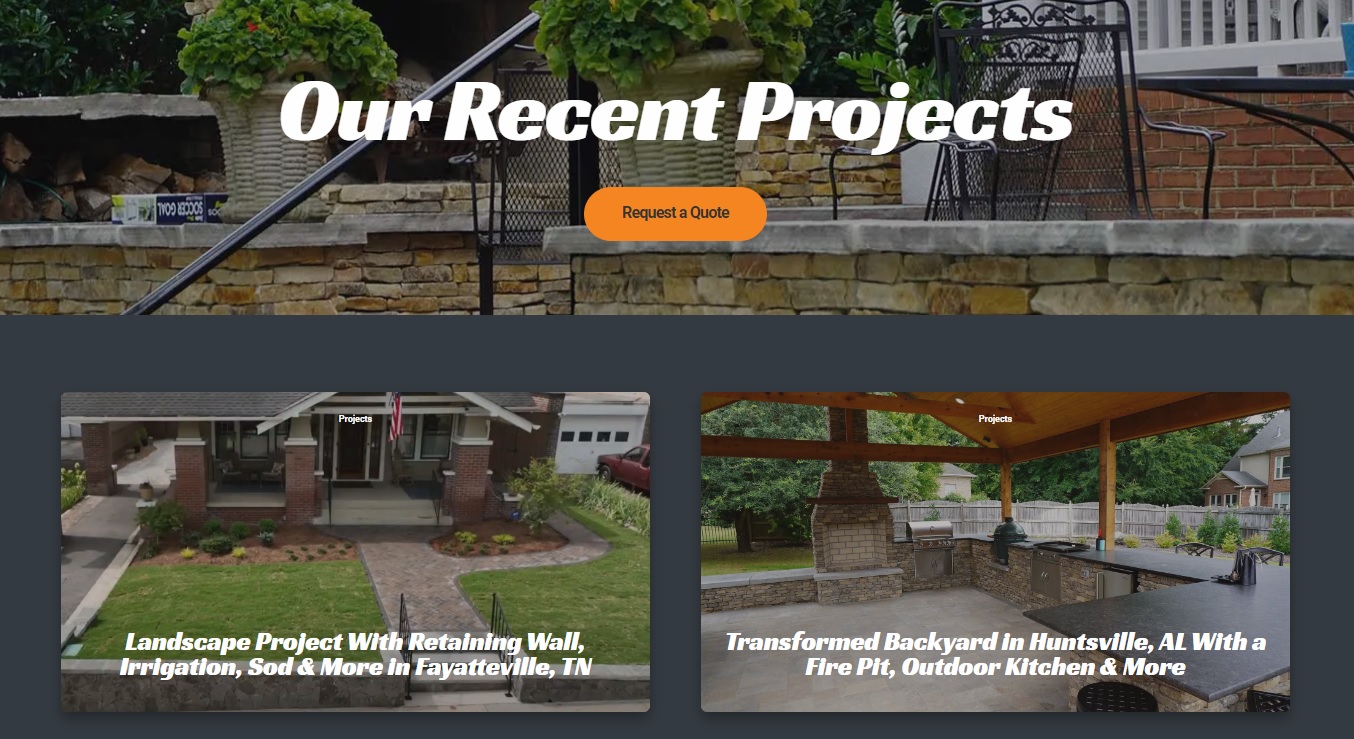
The individual project case studies should be listed on an overview Projects page where website visitors can click a specific project to be redirected to the full project case study. Here is an example of a projects section by UPL, Inc in Omaha, NE.
*Tip: It is much easier to build the process of collecting photos/videos into your operations workflow instead of trying to go back and get media after the project has been completed.
Utilizing Project Case Studies
Once you’ve built a project case study, it doesn’t stop there. Now, you must properly utilize the case study to gain the full benefits. Here are the most common ways that you should use this type of content:
Remarketing Funnels: This is the most powerful way to utilize your project case studies. Once a visitor has come to your website and viewed certain types of pages, follow them around the Internet with projects that include the elements they were looking at. These ads keep your prospects coming back with real valuable content instead of just trying to sell them. Setting up this kind of remarketing funnel can be complex and should be handled by your marketing agency.
Social New Outreach Ads: Similar to remarketing ads, but for prospects who have never seen your business. These ads are designed to get new prospects into the top of your remarketing funnel. Any type of advertising that adds real value over sales will always perform better. These types are of ads are far more simple to setup than remarketing ads, but also serve a different purpose.
Social Media Organic Posts: When it comes to posting to your social media profiles, engagement is key for getting the best reach. Posting boring content that doesn’t get comments and shares will restrict your reach. Project case studies are always some of the best performing types of posts you can make. Only cultural insight posts tend to outperform project case studies.
Website Service Pages: You can improve your SEO results by inserting projects into your website’s service pages. These are the pages that are dedicated to things like outdoor kitchens, fire features, patios, etc. On these pages, insert the projects that are tagged with those elements. This can be handled by your website company and will keep fresh and relevant content coming into these pages as you add new project case studies.
Website Home Page: Similar to inserting content into your service pages, you should showcase your newest projects on your home page. The home page of your website is the most powerful page on your website. By inserting your newest projects, you can constantly have fresh content that people engage with, improving your overall SEO results.
Implementing Project Case Studies Into Your Landscape Business
In order to get started implementing project case studies, a few things need to happen.
First, you need to get your team on board and alter your processes to integrate taking photos and videos of the projects.
Second, you’ll need to have your website company handle the technical implementation.
Third, you should find a professional content writer/team that can ensure your written content is SEO-optimized and structured for success.
Finally, you’ll need to have a strong paid advertising expert to build out your marketing funnels and ads, as well as continously add to them as more projects are developed.
Getting this implemented into your business sounds overwhelming, but everything except the first step (gathering photos/videos) can typically be handled by a single digital marketing agency that is experienced in the landscape industry, such as Lawnline Marketing. These companies generally have teams of experts and can provide everything from the content writing to the remarketing funnels.
Have questions or want to know more about project case studies? You can connect with Tony on LinkedIn.