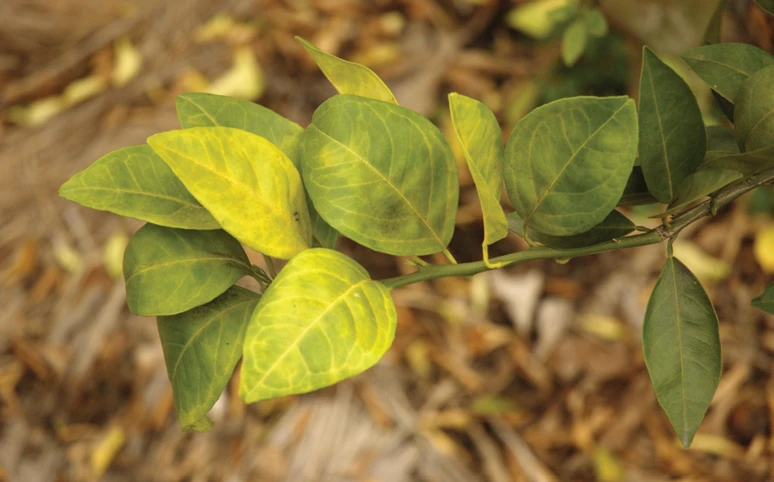
Invasive species are taking their toll on both residential and commercial properties with damages in the tens of billions of dollars, says Rex Bastian, regional technical advisor for The Davey Tree Expert Company based in Kent, Ohio. Exotic and invasive insects and plants, spurred on in part by climate change, continue to spread from region to region across the country.
There is increasing concern and attention in the way of economic assistance from the federal government, and many states, to combat the problem of invasive species which they say cause harm to the economy, environment and human health.
Exotic species are those that are found outside of their natural habitats. These often become invasive species because they don’t have natural predators or competition to keep them from multiplying and spreading rapidly. They are often so successful that they crowd out native species.
“We call them invasive because by the time we realize they’re here and causing damage, it’s too late,” says Ben Hamza, director of technical operations at TruGreen.
Know your enemy.
Landscapers and nursery owners need to be aware of what is considered invasive in their region. Cassel says the problem with invasive plants, such as purple loosestrife that clogs waterways, is they drive out native species that pollinators, birds and other animals depend on for food and habitat. In addition, quickly spreading plants like kudzu alter the look of the landscape.
“If you’re driving along I-75 through Tennessee, instead of seeing beautiful southern pine trees, you see a wall of kudzu,” Hamza says.
When the invasive plant kudzu takes over the landscape, it competes for light, space and water with native plants.
Cassel says his organization is working with landscapers to help them gain awareness of the problem. “This is something we’re really trying to delve into because in the past, it wasn’t an avenue we approached. It is becoming very apparent that there are some of these species that people are planting or landscapers are pushing that look great in people’s yards. But a lot of these species are invasive for a reason. They don’t stay in people’s yards long.”
Cassel says landscapers can play an important role in the battle against invasive species by educating homeowners and encouraging them to plant alternatives to invasive species, preferably native plants.
“The biggest push I’d like to see is an educational component,” Cassel says. “If we can come up with a list of five or 10 species that are highly invasive then we can say ‘Hey, be on the lookout for this species and don’t support planting these.’” His office is currently working with local landscapers to educate them on what’s invasive in their area.
Education is a two-way street. Bastian says it’s important for LCOs to keep an eye on what infestations might be occurring in their area and report back to the appropriate agencies. Ultimately, though, it pays to stay informed.
“There is a wealth of information out there,” he says. “If you’re not paying attention to it, then the chance of spreading misinformation or the wrong information is greater.”