Gerry White, owner/president of pH Lawn Care in Massachusetts,says this year chinch bugs appeared in his region later than normal. White and his technicians spot-check lawns throughout the season because, otherwise, the typical six-week rotation between applications is too long to wait if a problem pops up. “It’s got to be treated immediately if an issue is spotted,” White says.
In some parts of the country such as the Southeast, armyworms are active in fall under the right conditions. “Weather plays a part, and the number of tropical depressions changes the population from year to year,” Clint Waltz, PhD, extension turfgrass specialist at the University of Georgia’s Turfgrass Research & Education Center says. “These should be treated because they can march across a lawn in a matter of four to five days. Halt the problem, and the grass often rebounds before dormancy.”
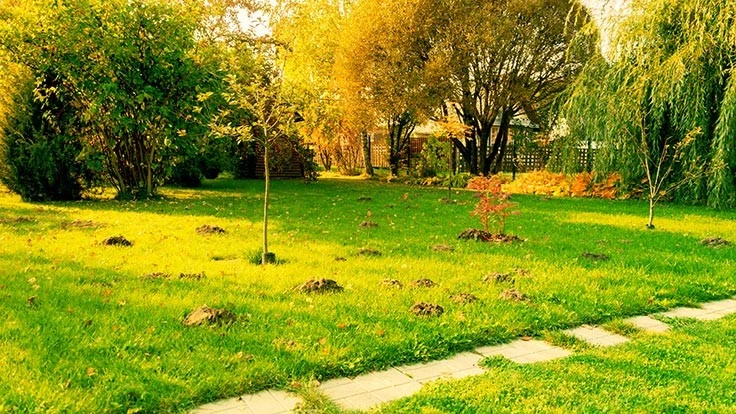
For fall grubs, watch for animals like crows and skunks digging around or signs there are severed roots. If you see signs of an infestation, be proactive about application next spring. This year’s damage is already done.
Latest from Lawn & Landscape
- Stay Green acquires JH O'Brien in California
- Loftness names McComas as chief operating officer
- Wilson360 names Anderson as featured speaker for Thought Leaders Retreat 2026
- Kubota introduces SVL110-3 compact track loader
- Hittle Landscaping acquires Wesley's Landscape & Lawncare
- Aquatrols Company's Precip Acres
- JCB debuts 250T compact track loader, 25Z mini excavator at ARA Show
- Agri-Fab's weed eliminator