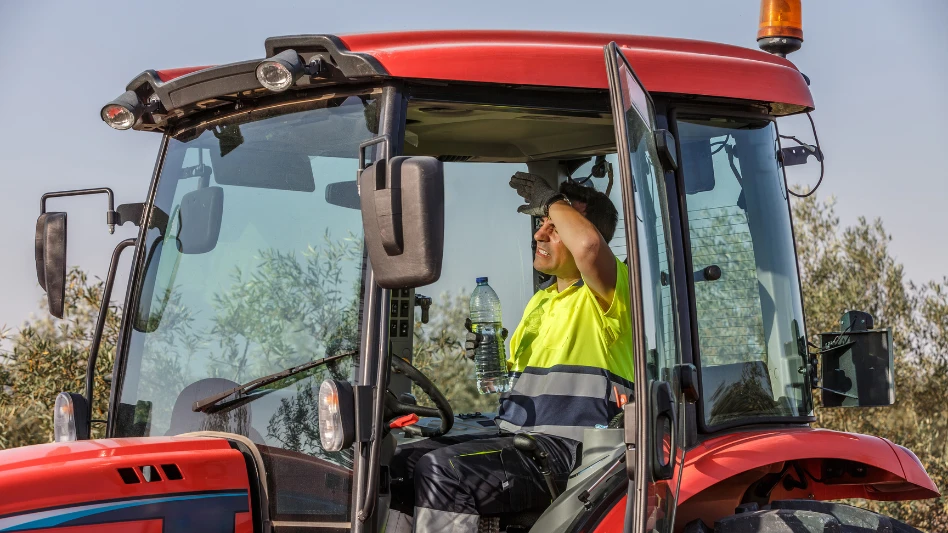
Juan Algar | Adobe Stock
Landscapers often say they chose this industry because they didn't want to work in a cubicle.
That all sounds great — until the summer heat's tough to beat.
Our article from June 2019 covered lots landscapers should know about heat stress. Here's three tips from the story you can apply to managing heat stress in the landscaping industry.
1. Know the signs
The signs and symptoms of heat stress include:- Cool, moist skin with goose bumps in the heat
- Sweating
- Headache
- Fatigue
- Dry mouth, dry membranes
- No tears
- No spit present
- Muscle cramps
Our full article on heat stress also includes more symptoms to monitor while employees are out working in the field.
2. Prevention is the best medicine
There are ways to keep heat stress out of the workplace before it even arises. These include assigning a manager for heat stress management and training workers and supervisors in the prevention, recognition and treatment of heat stress. Conducting safety meetings during heat spells can help remind everyone to stay safe. And, acclimating workers when they begin to work under hot conditions is vital. This can be handled by assigning lighter work days, longer rest periods and watching workers’ response for five to seven days.
The full article also includes other ways to prevent worker heat stress concerns, and it details recommended amounts of water employees should drink while working in the field.
3. Light or heavy lifting? It matters.
Knowing when it's time for employees to take breaks sometimes comes down to what they're doing out in the field. Some workload level examples include:
- Light: Sitting at ease, writing, sorting materials, inspecting landscapes, driving mobile equipment on paved roads.
- Moderate: Using a chain saw, driving mobile equipment off-road, periodic handling of heavy materials, weeding/hoeing, pruning, backpack spraying on level-even ground, pushing or pulling light-weight carts or wheelbarrows, washing off vehicle or equipment, walking 2 to 3 mph.
- Heavy: Transferring heavy materials, shoveling, digging, hand mowing, loading materials, planting, pushing or pulling loaded hand carts or wheelbarrows, laying blocks, backpack spraying on rough ground or an incline, walking 4 mph.
- Very heavy: Heavy shoveling and digging, ax work, climbing stairs, ramps and ladders, lifting more than 44 pounds at 10 lifts per minute, walking, jogging or running at more than 4 mph.
Latest from Lawn & Landscape
- Develon unveils -9 Series heavy excavators
- News you might've missed last week
- Lifescape Colorado's Hupf moves to regional role as Ostheimer becomes president
- Your most reliable predictor of success
- LandCare names McCallon, Miller as branch managers
- Takeuchi-US names Paul Wade, Eric Wenzel as dealer development managers
- CASE continues partnership with country artist Jon Pardi
- Greenlee debuts new battery-powered remote pruner





